
Acoustic Engineering & Consultancy
We measure what a space is actually doing, work out why, and engineer a change that can be verified. This is Novico's strongest area of current practice.
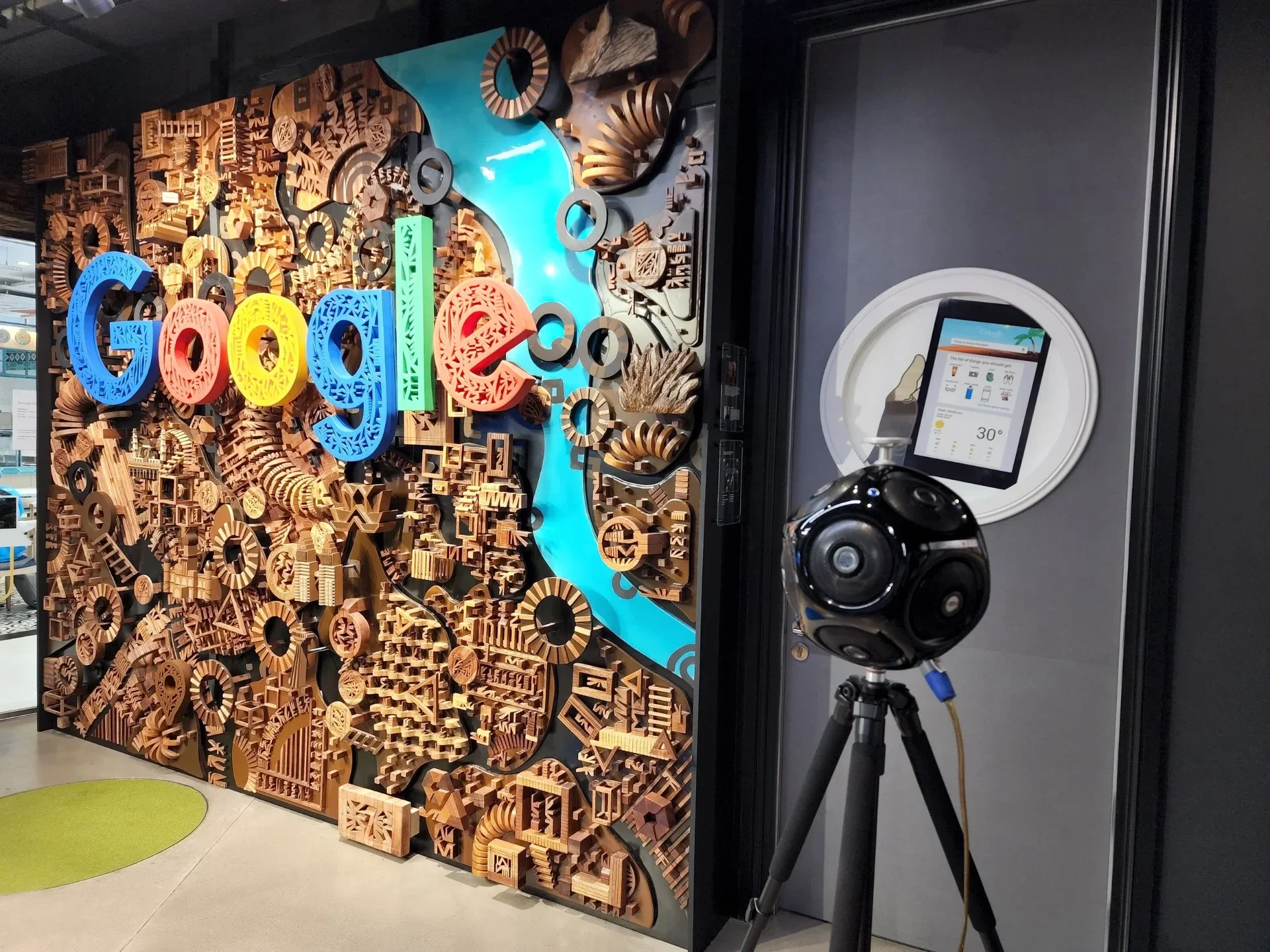
Novico project photography: measurement set-up in a meeting room under assessment.
What the work covers?
Field acoustic testing and measurement
Reverberation time assessment
Speech privacy and sound privacy assessment
Design recommendations and remedial specification
Sound insulation assessment (airborne, between spaces)
Background noise criterion assessment
Acoustic troubleshooting and diagnosis
Post-installation verification
Our Acoustic Testing & Consultancy Process
Measure. Diagnose. Recommend. Improve. Verify.
-
Measure
Field measurement of insulation, reverberation and background noise under agreed, repeatable conditions.
-
Diagnose
Interpret the data to identify the dominant mechanism — partition performance, flanking, finishes or background level.
-
Recommend
Set out practical engineering options with the trade-offs between cost, disruption and expected outcome.
-
Verify
Re-measure after implementation so the improvement is demonstrated rather than assumed.
Recognised measurement standards
Other criteria, such as background noise levels, are assessed against the criterion agreed for the project.
Field measurement of airborne sound insulation between rooms.
Measurement of reverberation time in ordinary rooms.
Have a technical problem to solve?
Tell us what you are trying to achieve. We will tell you whether it is something we can measure, model or engineer — and how we would approach it.